
What Is Acupuncture and Acupressure? A Simple Guide
Curious about how acupuncture and acupressure work? Read our simple guide to understand their benefits and how they may support relaxation and overall well-being. Explore the guide today and discover more about these traditional wellness practices!
What Is Acupuncture and Acupressure?
Acupuncture and acupressure are two natural therapies that come from Traditional Chinese Medicine (TCM) and are used around the world to relieve pain, reduce stress, and support overall health. Many people confuse the two. This guide explains what acupuncture and acupressure are, how they work, how they differ, and how to decide which one may suit you.
What Is Acupuncture?
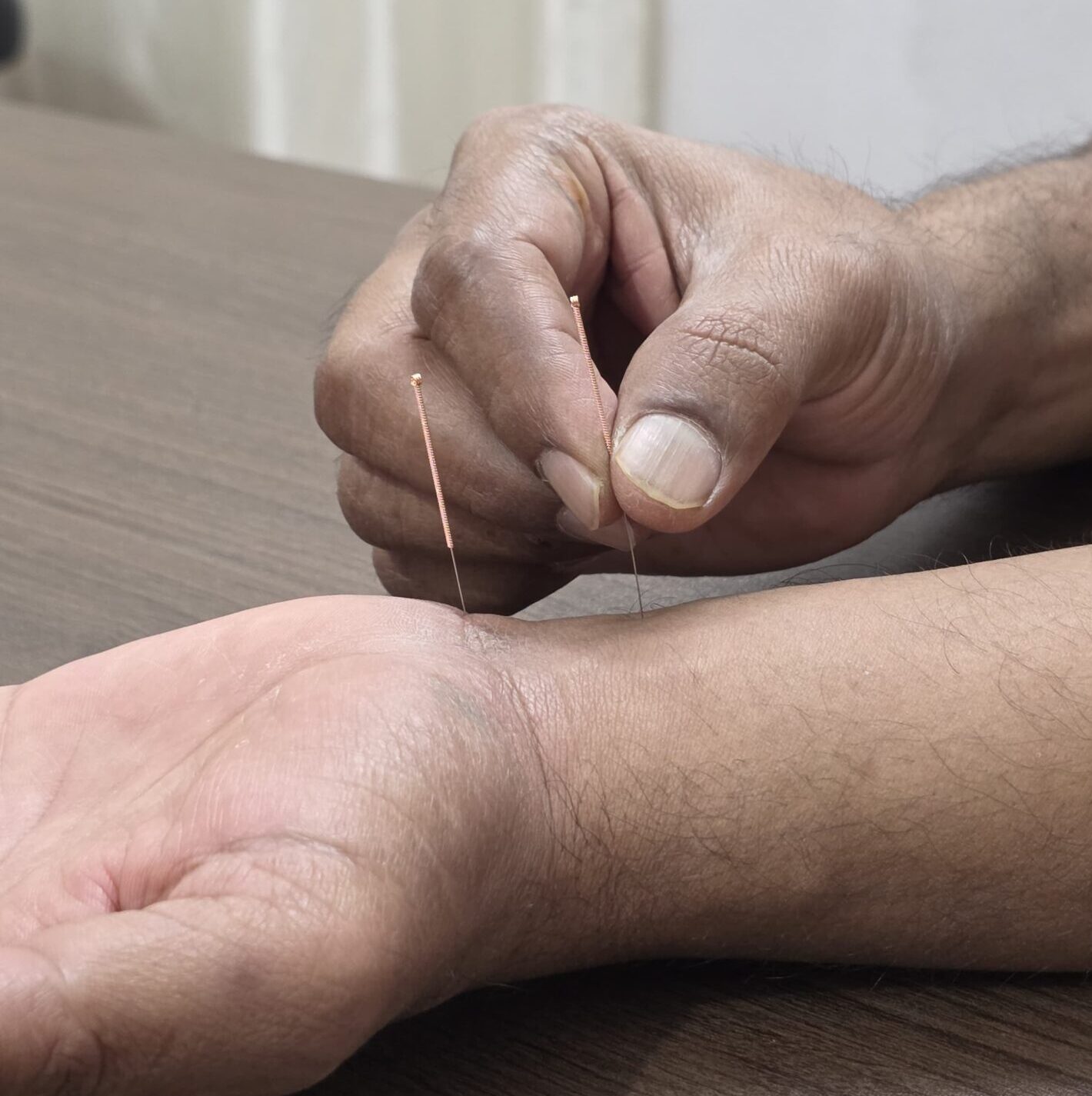
Acupuncture is a therapy in which a trained practitioner inserts very thin, sterile, single-use needles into specific points on the body called acupuncture points. It has been practised for more than 2,000 years.
TCM teaches that vital energy, called Qi, flows through the body along pathways called meridians. When Qi is blocked or out of balance, pain or illness may result. Needling the right points aims to restore the flow and balance.
What Is Acupressure?
Acupressure uses the same points, but instead of needles, the therapist applies firm, steady pressure with the fingers, thumbs, palms, or elbows. It is a needle-free therapy and is often described as the “touch” form of acupuncture.
How Do They Work?
The traditional view: Stimulating acupoints, with needles or pressure, unblocks the meridians so Qi can flow freely.
The modern view: Researchers think stimulating these points may relax muscles, improve blood circulation, calm the nervous system, and trigger the release of endorphins, the body’s natural painkillers. The exact mechanisms are still being studied. Know what is acupuncture and acupressure.
Acupuncture vs Acupressure: Key Differences
| Acupuncture | Acupressure | |
|---|---|---|
| Method | Fine needles inserted into the skin | Finger, palm, or elbow pressure |
| Sensation | Slight pinch, tingling, or warmth | Firm pressure, dull ache, relaxing |
| Training | Needs thorough training in needle technique and safety | Basic self-acupressure can be learned easily; professional therapy needs training |
| At home | No | Yes, simple self-acupressure |
| Suitable for | People who want deeper stimulation and are comfortable with needles | People who dislike needles, children, and the elderly |
| Session length | Usually 30 to 60 minutes | Usually 30 to 60 minutes |
What Is Acupressure?
Acupressure uses the same points, but instead of needles, the therapist applies firm, steady pressure with the fingers, thumbs, palms, or elbows. It is a needle-free therapy and is often described as the “touch” form of acupuncture.
Sessions are usually relaxing. You stay fully clothed, and the pressure is firm but should not be painful.
Both therapies share the same philosophy. The choice between them depends on your condition, your comfort with needles, and your practitioner’s advice.
Conditions They May Help With
People commonly use acupuncture and acupressure for:
- Back, neck, and shoulder pain
- Knee and joint pain
- Tension headaches and migraines
- Stress, anxiety, and trouble sleeping
- Nausea
- Digestive discomfort
- Fatigue and low energy
- Menstrual discomfort
The evidence is strongest for chronic pain (such as lower back pain and knee osteoarthritis), headaches, and nausea. For other conditions, research is limited or mixed. Neither therapy should replace proper medical care for a serious condition.
What Happens in a Session?
Acupuncture session:
- The practitioner asks about your symptoms, health history, and lifestyle.
- Fine needles are placed at selected points, and you rest for about 15 to 30 minutes.
- The needles are removed and discarded, and you receive aftercare advice.
Acupressure session:
- The therapist discusses your symptoms and concerns.
- Pressure is applied to selected points for 30 seconds to a few minutes each.
- You may get advice on simple points to press at home.
Is It Safe?
Both therapies are generally safe when done by a trained practitioner. Acupuncture must use sterile, disposable needles. Mild soreness, small bruises, or light-headedness can happen and usually pass quickly.
Tell your practitioner beforehand if you:
- are pregnant (some points should not be treated)
- have a bleeding disorder or take blood thinners
- have a pacemaker
- have wounds, burns, or skin infections near the treatment area
- have cancer, a fracture, or another serious condition
Which One Should You Choose?
- Choose acupressure if you are nervous about needles, want a gentle, relaxing therapy, or want to learn simple techniques for home.
- Choose acupuncture if you have a stubborn problem and your practitioner recommends deeper stimulation.
- Many practitioners combine both. A good practitioner will explain the options after a consultation.
Learn what is Acupuncture and Acupressure?
If you’re interested in learning these therapies, MBS Acupressure offers a 4-month Diploma in Acupuncture, taught in Telugu and English, mostly online with one in-person practical session each month in Hyderabad.
Frequently Asked Questions
What is the main difference between acupuncture and acupressure?
Acupuncture uses fine needles, while acupressure uses finger pressure on the same points.
Is acupressure safer than acupuncture?
Acupressure has fewer risks because it involves no needles. Both are generally safe when done by a trained person.
Does acupuncture hurt?
Most people feel only a slight pinch or tingling. The needles are much thinner than injection needles.
Can I do acupressure at home?
Yes, you can press simple points yourself. Avoid certain points in pregnancy, and see a therapist for ongoing problems.
How many sessions will I need?
It depends on the condition. Recent problems may improve in a few sessions, and long-standing ones usually take longer. Your practitioner will advise you.
Can they cure diseases?
They can relieve symptoms and support wellbeing, but they are not guaranteed cures and should not replace medical treatment.
Can I continue my regular medicines?
Yes. Never stop prescribed medicines without your doctor’s advice.
Book a Session or Join Our Course
Whether you want relief from pain and stress or want to learn these therapies as a career, MBS Acupressure in Alwal, Hyderabad can help. Call or WhatsApp [your number] or visit www.mbsacupressure.com to book a consultation or enquire about the diploma course.
What is Acupuncture and Acupressure? Acupressure uses the same points, but instead of needles, the therapist applies firm, steady pressure with the fingers, thumbs, palms, or elbows. It is a needle-free therapy and is often described as the “touch” form of acupuncture.
Sessions are usually relaxing. You stay fully clothed, and the pressure is firm but should not be painful.
Both therapies share the same philosophy. The choice between them depends on your condition, your comfort with needles, and your practitioner’s advice.
Conditions They May Help With
People commonly use acupuncture and acupressure for:
- Back, neck, and shoulder pain
- Knee and joint pain
- Tension headaches and migraines
- Stress, anxiety, and trouble sleeping
- Nausea
- Digestive discomfort
- Fatigue and low energy
- Menstrual discomfort
The evidence is strongest for chronic pain (such as lower back pain and knee osteoarthritis), headaches, and nausea. For other conditions, research is limited or mixed. Neither therapy should replace proper medical care for a serious condition.
What Happens in a Session?
Acupuncture session:
- The practitioner asks about your symptoms, health history, and lifestyle.
- Fine needles are placed at selected points, and you rest for about 15 to 30 minutes.
- The needles are removed and discarded, and you receive aftercare advice.
Acupressure session:
- The therapist discusses your symptoms and concerns.
- Pressure is applied to selected points for 30 seconds to a few minutes each.
- You may get advice on simple points to press at home.
Is It Safe?
Both therapies are generally safe when done by a trained practitioner. Acupuncture must use sterile, disposable needles. Mild soreness, small bruises, or light-headedness can happen and usually pass quickly.
Tell your practitioner beforehand if you:
- are pregnant (some points should not be treated)
- have a bleeding disorder or take blood thinners
- have a pacemaker
- have wounds, burns, or skin infections near the treatment area
- have cancer, a fracture, or another serious condition
Which One Should You Choose?
- Choose acupressure if you are nervous about needles, want a gentle, relaxing therapy, or want to learn simple techniques for home.
- Choose acupuncture if you have a stubborn problem and your practitioner recommends deeper stimulation.
- Many practitioners combine both. A good practitioner will explain the options after a consultation.
Learn what is Acupuncture and Acupressure?
If you’re interested in learning these therapies, MBS Acupressure offers a 4-month Diploma in Acupuncture, taught in Telugu and English, mostly online with one in-person practical session each month in Hyderabad.
Frequently Asked Questions
What is the main difference between acupuncture and acupressure?
Acupuncture uses fine needles, while acupressure uses finger pressure on the same points.
What is Acupuncture and Acupressure? Is acupressure safer than acupuncture?
Acupressure has fewer risks because it involves no needles. Both are generally safe when done by a trained person.
Does acupuncture hurt?
Most people feel only a slight pinch or tingling. The needles are much thinner than injection needles.
Can I do acupressure at home?
Yes, you can press simple points yourself. Avoid certain points in pregnancy, and see a therapist for ongoing problems.
How many sessions will I need?
It depends on the condition. Recent problems may improve in a few sessions, and long-standing ones usually take longer. Your practitioner will advise you.
Can they cure diseases?
They can relieve symptoms and support wellbeing, but they are not guaranteed cures and should not replace medical treatment.
Can I continue my regular medicines?
Yes. Never stop prescribed medicines without your doctor’s advice.
Book a Session or Join Our Course
What is Acupuncture and Acupressure? Whether you want relief from pain and stress or want to learn these therapies as a career, MBS Acupressure in Alwal, Hyderabad can help. Call or WhatsApp +919440644350 or visit www.mbsacupressure.com to book a consultation or enquire about the diploma course.